
Mineral Oil vs Synthetic Lubricants: Which Is Better for Industrial Machinery?
How advanced synthetic formulations are extending equipment life, reducing maintenance downtime, and driving operational efficiency.
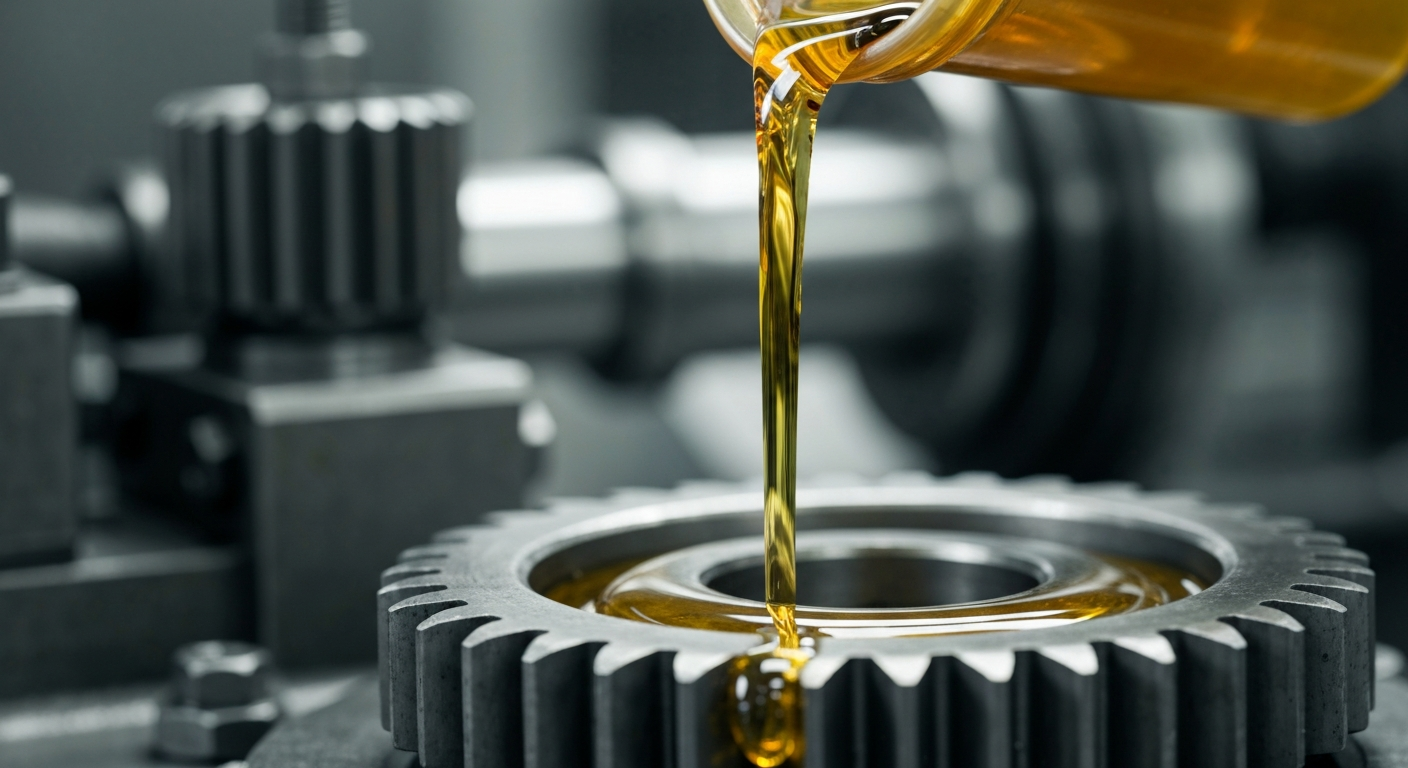
In the relentless environment of heavy manufacturing, equipment failure is not just an inconvenience—it is a catastrophic disruption to the bottom line. For decades, conventional mineral oils served as the lifeblood of industrial machinery. However, as operational demands intensify and equipment tolerances tighten, the limitations of traditional lubricants are becoming increasingly apparent.
Enter advanced synthetic lubricants. Engineered at the molecular level, these high-performance fluids are fundamentally reshaping how heavy industries approach maintenance, reliability, and total cost of ownership.
The Molecular Advantage
Unlike mineral oils, which are refined from crude oil and contain inherent impurities and irregular molecular structures, synthetic lubricants are chemically synthesized. This deliberate engineering results in a uniform molecular structure that delivers predictable, superior performance under extreme conditions.
Mineral vs. Synthetic: Performance Comparison
| Performance Metric | Conventional Mineral Oil | Advanced Synthetic |
|---|---|---|
| Viscosity Index | Moderate (thickens in cold, thins in heat) | High (stable across extreme temperatures) |
| Oxidation Stability | Standard (requires frequent changes) | Exceptional (extends drain intervals up to 5x) |
| Traction Coefficient | High (more internal fluid friction) | Low (reduces energy consumption by 2-5%) |
| Pour Point | -10°C to -20°C | -40°C to -50°C |
Critical Applications in Heavy Industry
The transition to synthetic lubricants is not merely a technical upgrade; it is a strategic operational decision. Here is how specific heavy manufacturing sectors are benefiting:
Steel Mills
Extreme heat and heavy loads destroy standard greases. Synthetic polyurea and calcium sulfonate complex greases provide essential boundary lubrication for continuous casters and hot strip mills.
Cement Plants
Kiln drives and massive gearboxes operate in severe dust and heat. High-viscosity synthetic gear oils (ISO VG 320-680) offer superior micropitting protection and extend gear life.
Mining Equipment
Draglines and excavators face massive shock loads. Synthetic open gear lubricants provide a tenacious film that resists squeeze-out under extreme pressure.
Hydraulic Systems
High-pressure industrial presses benefit from synthetic anti-wear (AW) hydraulic fluids that prevent pump cavitation and extend seal life significantly.
Need help sourcing industrial lubricants?
AAA International supports industrial buyers with product specifications, documentation, pricing, inspection coordination, and global logistics support.
Request a Quote