
How to Calculate Landed Cost for Industrial Chemicals and Lubricants
A step-by-step guide to calculating the true landed cost of imported industrial products, including freight, insurance, and finance charges.
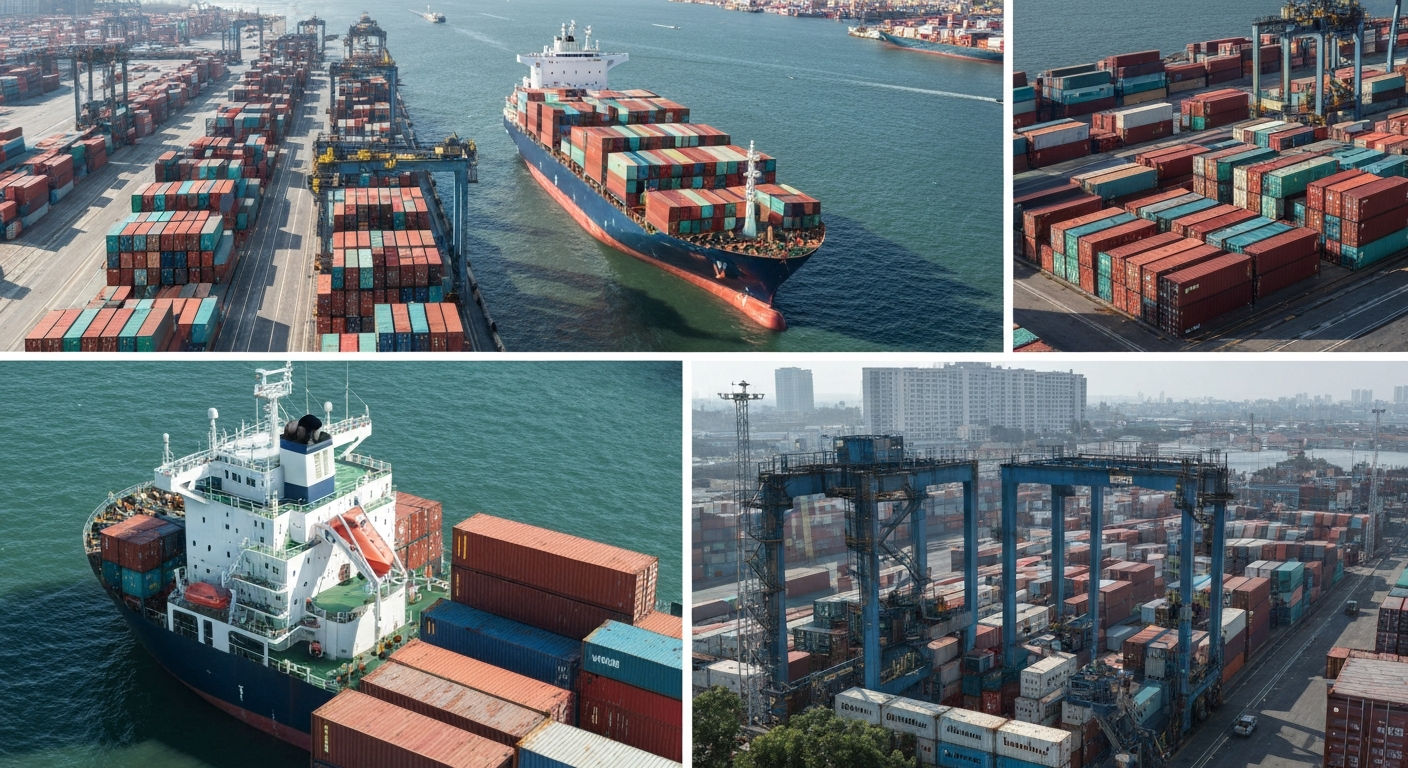
In the competitive landscape of industrial procurement across the GCC and international markets, the FOB (Free On Board) or EXW (Ex Works) price of a product is only a fraction of the final cost. To make accurate procurement decisions, buyers must calculate the Landed Cost. This is especially critical when dealing with bulk volumes of industrial chemicals, lubricants, and petroleum products.
What is Landed Cost?
Landed cost is the total price of a product once it has arrived at the buyer's door. It includes the original price of the product, all transportation fees (both inland and ocean/air freight), customs duties, taxes, insurance, currency conversion, crating, handling, and payment fees.
The Comprehensive Landed Cost Formula
Landed Cost / MT =
Product Cost (FOB/EXW)
+ Inland Transport to Port of Loading
+ Export Documentation & Clearance
+ Ocean / Air Freight
+ Marine Insurance
+ Third-Party Inspection (e.g., SGS/Intertek)
+ Destination Customs & Duties
+ Port Handling Charges (THC)
+ Bank / Finance Charges (LC / SBLC / TT)
+ Demurrage / Detention Allowance
+ Local Delivery to Final Facility
Step-by-Step Example Calculation
Let's assume a procurement scenario for 100 Metric Tonnes of Industrial Hydraulic Oil (ISO VG 46) imported into Dubai, UAE.
- Base Product Price: $760 / MT (FOB)
- Ocean Freight: $42 / MT
- Marine Insurance (CIF coverage): $3 / MT
- SGS Inspection: $2 / MT
- Customs & Port Handling: $11 / MT
- Finance Charges (LC Issuance): $8 / MT
- Local Delivery & Demurrage Allowance: $19 / MT
True Estimated Landed Cost = $845 / MT
Notice how the "hidden" logistics and finance costs added an extra 11% ($85/MT) to the base price. Failing to account for this can destroy project margins.
Common Pitfalls in Procurement Calculation
- Ignoring Demurrage: Port delays are common. Always factor in a buffer for demurrage and detention charges.
- Currency Fluctuations: If buying in USD but selling in local currency, exchange rate shifts between the PO date and payment date can impact the final cost.
- Incoterms Misunderstanding: Assuming CIF covers local destination charges. CIF only covers costs up to the destination port; unloading and local transport are still on the buyer.
- Packaging Returns: If using IBCs or ISO tanks, the cost of returning empty containers must be factored in.
Need a Precise Landed Cost Estimate?
Send us your required industrial product, quantity, destination port, preferred Incoterm, packaging type, and payment method. AAA International's logistics team will provide a comprehensive, transparent quotation.