
EN590 Diesel Supply Guide: Specs, Documentation, Quantity Calculation & Delivery
Everything industrial buyers need to know about EN590 diesel specifications, required documentation, quantity calculation, and delivery models.
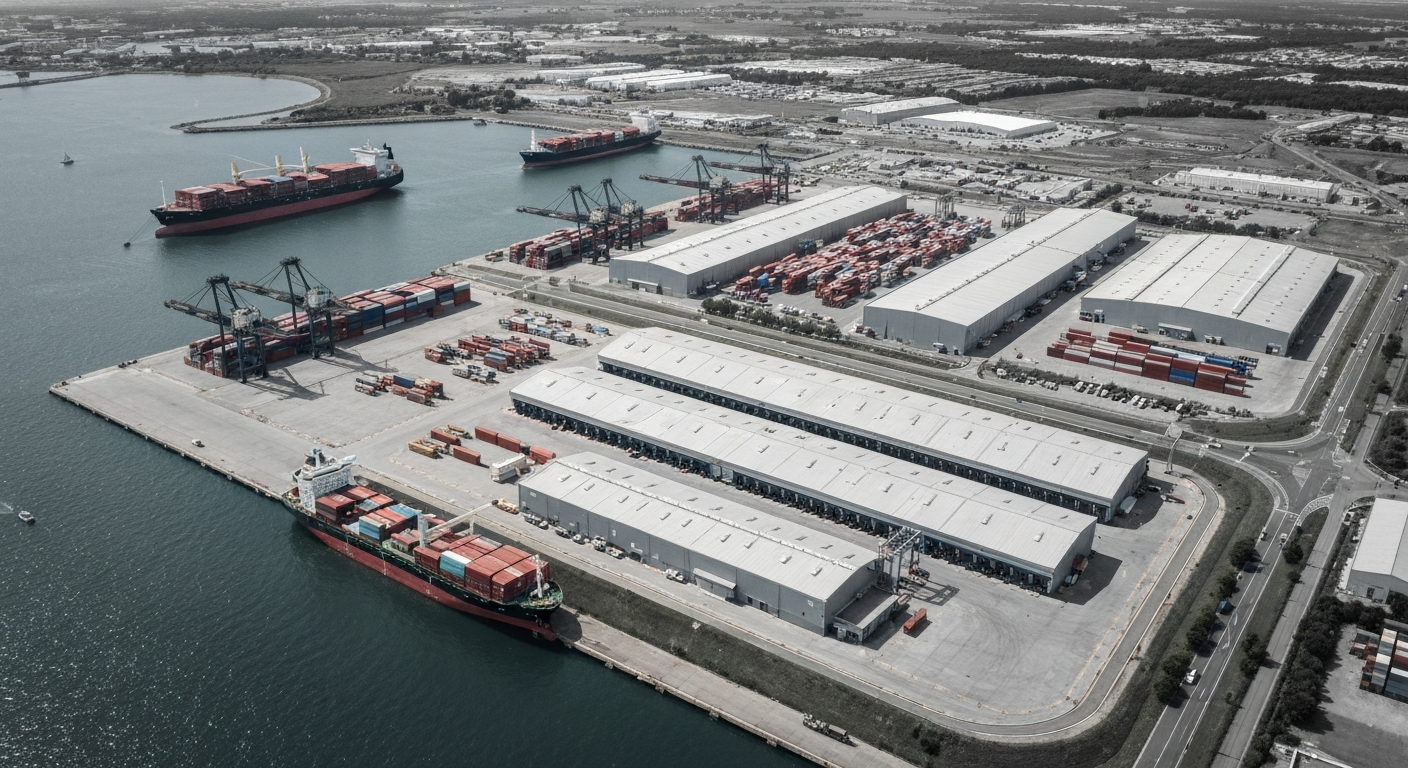
For industrial buyers, power generation plants, and construction fleets, securing a reliable supply of EN590 diesel is critical. EN590 is the current standard for all automotive diesel fuel sold in the European Union and is widely adopted globally for industrial applications.
Technical Background & Key Specifications
EN590 diesel is commonly associated with a maximum of 10 ppm sulphur content (Ultra-Low Sulphur Diesel or ULSD) and a minimum cetane number of 51. These specifications ensure cleaner combustion, reduced emissions, and optimal engine performance.
- Sulphur Content: Max 10.0 mg/kg (ppm)
- Cetane Number: Min 51.0
- Density at 15°C: 820 - 845 kg/m³
- Flash Point: Min 55°C
Engineering Calculation: Diesel Quantity
Procurement managers often need to convert metric tonnes (MT) to litres to plan logistics. Here is a standard calculation based on an average density of 0.84 kg/L.
Example: 100 Metric Tonnes of Diesel
Volume = Mass / Density
Volume = 100,000 kg / 0.84 kg/L
Volume ≈ 119,047 litres
Logistics Planning: If a standard road tanker carries 36,000 litres, you will need approximately 3.31 tankers (i.e., 4 tankers) to transport 100 MT.
Documentation Required
To ensure compliance and product quality, always request the following documentation before finalizing a diesel supply contract:
- • Certificate of Quality (COQ) or Certificate of Analysis (COA)
- • Material Safety Data Sheet (MSDS)
- • Bill of Lading (B/L) for sea freight
- • SGS or Intertek Inspection Report
Need EN590 Diesel Supply?
Send us the product, quantity, destination port, Incoterm, and payment method. AAA International will help estimate landed cost and documentation requirements.
Request a Quote